


HIFU Non-Surgical Facelift: How It Works, Results & Cost

Updated: 3 days ago

What exactly is HIFU non-surgical facelift, and how does it work? When can you expect the results, and how much does it actually cost? These are all the questions you might be thinking about right now.
From what HIFU can do with your face and what it targets to typical result timelines and expected costs, we will explain everything in this guide.
Let’s get started.
What Is HIFU Treatment for the Face?
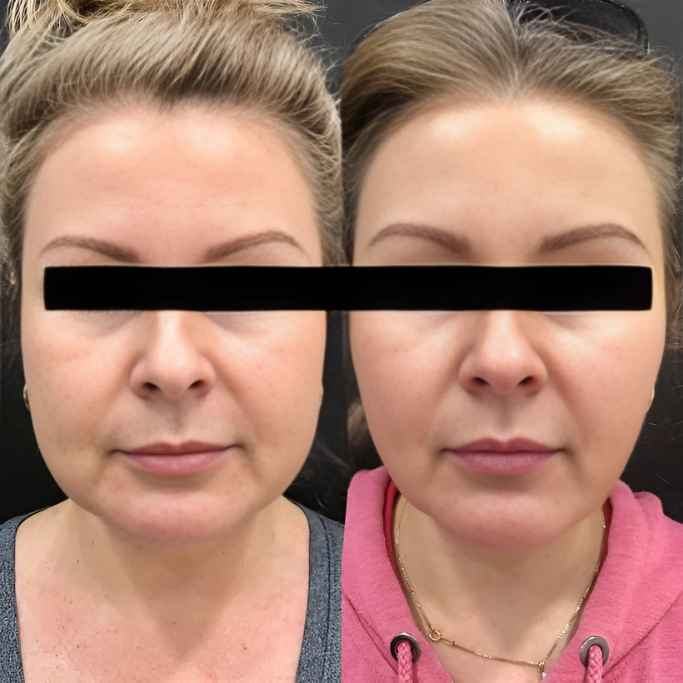
HIFU is a non-invasive treatment that delivers concentrated ultrasound energy into selected tissue layers beneath the skin. The controlled heat created at those focal points starts a repair response that encourages fresh collagen formation and gradual tightening.
A HIFU facial treatment works deeper than many treatments aimed mainly at skin texture or the upper layers. Lasers commonly address concerns nearer the surface, while skin-tightening treatments using microneedling create controlled micro-injuries within the skin. HIFU can reach deeper supporting tissue without needles or surgical cuts.
How Does a High-Intensity Focused Ultrasound Facelift Work?
A high-intensity focused ultrasound facelift concentrates energy at predetermined depths while leaving much of the surrounding tissue unaffected. Small thermal zones form beneath the surface, and the body's repair process then starts rebuilding collagen around the treated tissue.
That depth control explains why HIFU can address facial support as well as skin firmness. Here is what happens beneath the skin.
The Three Depths of HIFU
Most HIFU devices fire energy at three set depths, and each one targets a different structure under the skin. Different cartridges allow HIFU energy to reach different anatomical levels. The practitioner selects the appropriate depth and treatment pattern after assessing the area.
Below is a quick look at the 3 depths and their purpose:

Treatment Depth | Typical Target | Purpose |
1.5 mm | Superficial dermal tissue | Supports fine tightening and skin quality |
3.0 mm | Deeper dermis | Targets collagen-rich tissue for firmness |
4.5 mm | Deeper fibromuscular tissue, including the SMAS region in suitable facial areas | Supports lifting and contouring |
What Happens to Collagen and Elastin
HIFU creates small, controlled points of heat beneath the skin. Your body responds as it would to a carefully controlled tissue injury and begins a repair cycle.
Part of that process involves neocollagenesis, the production of new collagen. Existing collagen fibres can also remodel over time. Since collagen provides structural support to the skin, that gradual rebuilding can make lax tissue feel firmer and improve facial definition.
A 2025 systematic review of HIFU for skin tightening and body contouring reviewed 45 clinical trials and cohort studies. Researchers reported skin-laxity improvements of 18% to 30%, with particularly notable findings for the lower face, neck and areas around the eyes.
Does HIFU Actually Work? (Clinical Evidence)
Clinical research supports HIFU as an option for improving mild to moderate facial skin laxity, although individual results vary. Age, baseline laxity, skin quality, treatment settings and the area treated can all affect the response.
A systematic review of microfocused ultrasound identified 16 eligible studies. At day 90, pooled investigator assessments involving 337 participants found that 92% showed improvement in skin tightening and/or wrinkle reduction. The review also reported measurable brow and submental lifting.
Earlier clinical research offers similar evidence. One study involving 22 women aged 35 to 62 assessed facial laxity three months after treatment. Dermatologists recorded an average improvement of 58%, while participants reported an average improvement of 60%.
What Areas Can HIFU Face Lift Treatments Target?

HIFU can treat several areas where early or moderate laxity starts to change facial definition. At Alexia Rocha Aesthetics, our treatment planning starts with the concern you actually see in the mirror and the tissue that contributes to it.
Here is a brief list of the areas that this treatment targets the most:
Full face: For broader tightening where laxity affects several facial zones.
Lower face and jawline: Helps improve definition when the jawline has started to soften.
Neck: Targets loose skin and reduced firmness below the jaw.
Chin and jowls: Can improve the appearance of early jowling and a less defined lower face.
Brow and eye area: Carefully selected treatment can support a subtle lifting effect around suitable areas of the brow.
Quick Fact: Our HIFU facelift treatment in Adelaide can take roughly 30 minutes for a smaller area and around 45 to 60 minutes for a full-face treatment.
How HIFU Compares to Other Face Lift Treatments?
HIFU is only one option among several treatments used for facial ageing. There are several other methods that Australians also use. However, the best fit depends on whether your main concern involves deeper laxity, surface texture, lost facial volume or substantial tissue descent.
Let’s perform a practical comparison between them before you look at each option in more detail.
Treatment | Mechanism | Downtime | Longevity | Best For |
HIFU | Focused ultrasound energy at controlled depths | Usually minimal | Can last 1 to 2 years in some clients | Mild to moderate laxity and facial definition |
Radiofrequency | Controlled RF heating | Usually low | Varies by technology and treatment plan | General firming and collagen support |
Injectables | Adds volume or alters targeted muscle activity, depending on product | Usually limited | Product dependent | Volume loss, lines or selected facial concerns |
Surgical facelift | Surgically repositions facial tissues | Significant recovery | Generally longer lasting | More advanced facial sagging |
HIFU vs Radiofrequency
Both treatments use controlled energy to encourage collagen renewal, but they deliver energy differently. HIFU uses focused ultrasound and can reach specific deeper levels. RF treatments use radiofrequency-generated heat and may suit clients looking for gradual firming, depending on the device.
HIFU vs Injectables
Injectables and HIFU solve different problems. HIFU targets tissue laxity through ultrasound-induced collagen remodelling. Dermal fillers add volume to selected areas, while wrinkle-relaxing injections act on targeted muscles. A practitioner should assess the cause of the concern before recommending any combination.
HIFU vs Surgical Facelift
Surgery can reposition and remove tissue to produce a much greater change in advanced facial sagging. HIFU cannot reproduce that degree of correction. HIFU suits people seeking a subtler lift without incisions and a lengthy surgical recovery period.
When Will You See HIFU Skin Tightening Results?
HIFU results develop gradually because collagen renewal takes time. Some clients notice an early feeling of firmness, but the more meaningful changes usually appear during the following months.
This slower progression can work well for people who prefer their appearance to change subtly.
Early Changes After Treatment
You may notice some initial tightening soon after HIFU. Mild redness, tenderness, tingling or swelling can also occur temporarily. However, early changes do not represent the final result because the collagen response has only started at this point.
Gradual Collagen Remodelling Over the Following Months
Alexia Rocha Aesthetics generally advises clients to watch their results develop over the next two to three months. Collagen activity can continue after that period, so further changes may become visible later.
Our own HIFU treatment information includes client images taken three and five months after a single lower-face and neck treatment, which reflects why judging HIFU after only a few days gives an incomplete picture.
How Long Do HIFU Results Last?
HIFU results can last around one to two years for some clients, although there is no fixed expiry date. Your skin continues to age, so genetics, age, skin condition and lifestyle can influence how long you notice the improvement.
HIFU stimulates your own collagen response. It does not stop the biological ageing process. Maintenance may therefore become useful as laxity gradually returns. We recommend annual sessions.
How Many HIFU Treatments Will You Need?
Some clients achieve their desired improvement after one HIFU session. Others may benefit from additional sessions because collagen response and baseline skin laxity vary considerably.
At Alexia Rocha Aesthetics, we prefer to assess your skin before deciding on a treatment number. Mild laxity with good elasticity may respond differently from more established sagging. Our clinic's own treatment experience also shows results after both single sessions and multi-session plans, so there is no useful universal number.
How Much Does a High-Intensity Focused Ultrasound Facelift Cost?
In Adelaide, the price of HIFU treatment typically ranges between $400 and $3500. However, HIFU pricing varies significantly between clinics and depends on several factors, so it is worth treating any online figure as a rough guide rather than a firm quote.
That’s why a proper cost estimate should come from an in-person consultation where a practitioner can assess your skin and map out a treatment plan. If you are interested in getting a clearer idea of the cost before booking, check our HIFU Price List for current treatment prices.
What Affects HIFU Pricing
One of the first things that differentiates the pricing of HIFU treatment is the clinic you choose. Every provider has its own rate list, so you may see a significant difference from clinic to clinic. Besides that, these are the factors that affect the HIFU pricing the most:
Treatment area: A small facial zone requires a different treatment plan from a full face and neck.
Extent of treatment: The amount and pattern of energy delivery vary according to the tissue being treated.
Number of sessions: Some clients need one session, while others may benefit from further treatment.
Maintenance: Future maintenance adds to long-term treatment costs.
Provider experience: Assessment, anatomical knowledge and appropriate settings form an important part of treatment quality.
HIFU technology: Devices vary in their capabilities, cartridges and energy delivery.
What Should You Do Before and After HIFU?
HIFU requires relatively little preparation compared with surgery, but a proper consultation still comes first. Your practitioner needs to review your skin, treatment area and relevant health information before treatment.
A few simple steps can also make the appointment and recovery easier.
Preparing for Your Appointment
Arrive with clean skin where possible and tell your practitioner about recent cosmetic procedures, medications, active skin problems or relevant medical history.
Avoid booking HIFU over irritated, infected or damaged skin. If you have recently had another aesthetic procedure, check how much time you should leave between treatments.
HIFU Aftercare and Skin Care
Most clients can return to normal daily activities after facial HIFU. However, you may see temporary redness, tenderness, swelling or tingling after the treatment.
So, treat your skin gently afterwards. Also, follow the personalised instructions your practitioner gives you, maintain daily sun protection and avoid irritating the treated area while any tenderness settles.
Most importantly, contact the clinic if you develop an unexpected or persistent reaction.
Is HIFU Right for You?
HIFU tends to suit people in their thirties through fifties who are noticing early to moderate sagging along the
Jaw
Cheeks
Neck
Someone noticing an early softening around the jaw, mild jowling, brow laxity or loose neck skin may have a more suitable starting point than someone with substantial tissue descent.
However, age alone cannot decide suitability. It is generally not recommended during pregnancy or breastfeeding. Further, anyone with active skin infections, severe acne, or certain implanted devices should discuss suitability with a practitioner first.
The Final Words
Hopefully, you are now aware of everything you need to know about HIFU treatment. If you still have questions, Alexia welcomes you to discuss your concerns and suitability for HIFU through a detailed consultation. This opportunity provides you a chance to know if your treatment goals are achievable, and if yes, then where you should get started.
At Alexia Rocha Aesthetics, our HIFU facelift treatments are planned around your specific skin and goals rather than a one-size-fits-all protocol. If you are curious whether HIFU is the right fit for your face, book a personalised consultation and we will talk you through exactly what to expect.
Frequently Asked Questions
Does HIFU hurt?
Since ultrasound energy targets deep tissue layers under the skin, you might feel a hot or heating sensation. At the same time, an electric-like tingly feeling near bony areas like the jawline, forehead, and cheekbones is normal during the treatment.
How is HIFU different from a facelift?
The main difference is that HIFU is a non-surgical treatment, while a physical facelift involves a surgical incision. Another difference lies in results. The signs of the HIFU process last for around 1 to 2 years, while the surgical facelift lasts for 5 to 10 years.
Can I combine HIFU with other treatments?
If you have multiple ageing concerns at once, you can definitely combine other treatments like injectables, radio frequency, and microneedling with HIFU. At Alexia Rocha Aesthetics, we plan the order and timing of procedures after reviewing your skin and any recent treatments.
How soon can I see results?
Collagen takes two to three months to remodel properly, which is exactly the timeline you should keep in mind to see results. Further improvement can continue after that point.
Is HIFU safe for all skin types and ages?
HIFU is generally considered safe across a wide range of skin tones and ages. However, if you have any specific skin complications or age-related conditions, it is advisable to first see your practitioner instead of determining the suitability of HIFU on your own.


Comments