


Physical vs. Chemical Sunscreen: Which Is Better for Your Skin?

Updated: 8 hours ago

Living in Adelaide means sunscreen needs to earn a permanent place in your skincare routine, not just your beach bag. But with mineral and chemical formulas competing for space on the shelf, choosing the right one can get confusing fast.
Both sunscreen types can protect your skin effectively, but they differ in their UV filters, texture, and suitability for certain skin concerns. After more than 25 years working in aesthetics, our founder Alexia Rocha has seen how much sunscreen choice depends on your skin type, comfort, and daily routine.
In this physical vs. chemical sunscreen comparison guide, we will compare how each works and which may suit your skin, especially based on sensitivity, pigmentation, or professional skin treatments. So, let’s get started.
Quick Answer:
Physical sunscreen uses mineral UV filters, usually zinc oxide or titanium dioxide, while chemical sunscreen uses organic UV filters. Both can protect your skin effectively when you choose a broad-spectrum product and apply it correctly. Physical formulas often suit sensitive or recently treated skin, while chemical formulas tend to feel lighter and sit more invisibly on the face.
What Is Physical (Mineral) Sunscreen?
Physical sunscreen is a sun protection formula that sits on the surface of the skin and works mainly by reflecting and scattering UV radiation before it can penetrate. People often call it mineral sunscreen because the active ingredients come from naturally occurring minerals rather than synthesised compounds.
Common Physical Sunscreen Ingredients
Physical sunscreen relies on just two active ingredients:
Zinc oxide
Titanium dioxide
Zinc oxide covers a broader range of UVA and UVB wavelengths, while titanium dioxide leans more toward UVB protection and shorter UVA rays. Many mineral formulas combine both to widen the coverage.
Some physical sunscreens also contain iron oxides for tint. These can reduce the obvious white or grey cast that mineral filters sometimes leave, particularly on deeper skin tones. Tinted formulations may also have a useful role for people managing melasma because visible light can contribute to pigmentation.
How Physical Sunscreen Protects the Skin
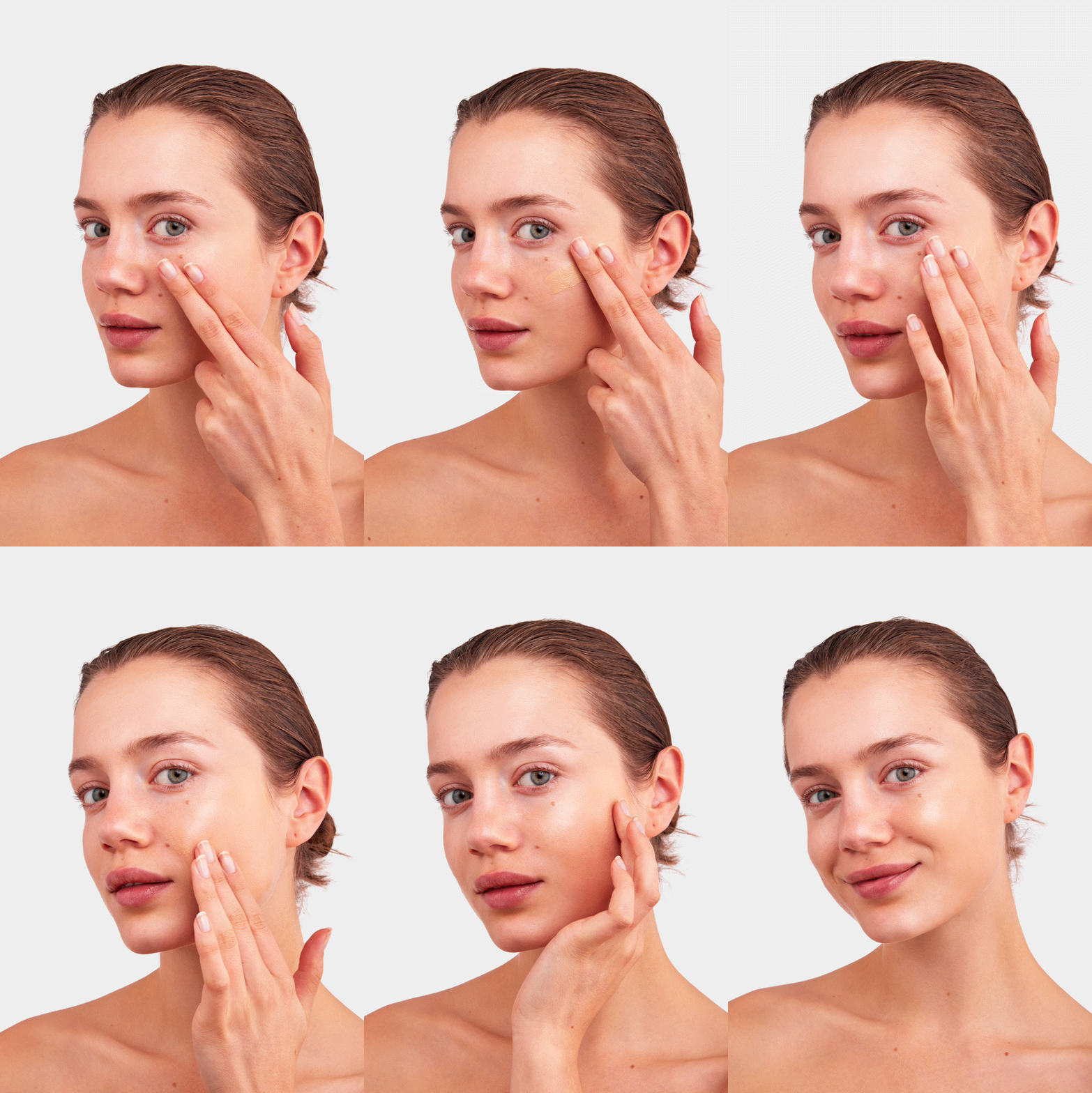
Mineral sunscreen uses zinc oxide or titanium dioxide to help protect your skin from UV radiation. These filters reflect and scatter UV rays, creating a protective layer on the skin. This physical barrier stops UV damage at the surface.
Benefits of Physical Sunscreen
Physical sunscreen can be a particularly useful choice when your skin becomes irritated easily. Zinc oxide and titanium dioxide tend to work well in formulas designed for sensitive complexions.
Other practical advantages of mineral sunscreen include:
Mineral-only formulas are widely available for sensitive skin.
Zinc oxide can provide strong broad-spectrum coverage.
Tinted options can reduce white cast.
Mineral formulas come in SPF 50 and 50+ options.
Some people find them more comfortable around reactive skin.
For clients looking for mineral-based daily protection, Alexia Rocha Aesthetics recommends choosing a broad-spectrum SPF 50 sunscreen suitable for your skin type. Explore our recommended mineral sunscreen options for gentle everyday protection.
Potential Drawbacks of Physical Sunscreen
Modern mineral sunscreens come in lighter, easier-to-blend formulas, but some can still have a few practical drawbacks such as:
Can leave a white or grey cast
May feel thicker or heavier on the skin
Can be harder to blend evenly
May sit poorly under some makeup
Can highlight dry or flaky areas
What Is Chemical Sunscreen?

The word "chemical" can sound alarming, but the name itself does not mean the sunscreen is harmful or inferior. Chemical sunscreen uses organic UV filters that absorb UV radiation and convert it into a small amount of heat, which is then released from the skin.
These filters can create very light, elegant formulas, which is why they are widely used by Australian skin care users. In fact, even Australia's Therapeutic Goods Administration (TGA) states that the benefits of chemical sunscreen far outweigh the risks associated with its ingredients.
Common Chemical Sunscreen Ingredients
Chemical sunscreen formulas typically combine several UV filters to achieve broad-spectrum coverage. Common actives approved in Australia include avobenzone, octocrylene, homosalate, octinoxate, and newer filters such as bemotrizinol and bisoctrizole.
In Australia, therapeutic sunscreens can only use active ingredients permitted under TGA requirements. The TGA requires therapeutic sunscreens to use permitted ingredients and meet relevant safety, quality, testing, and labelling requirements.
How Chemical Sunscreen Protects the Skin
Chemical sunscreen protects the skin by absorbing UV radiation at a molecular level and releasing it as heat before it can damage skin cells.
This chemical reaction needs a short window to activate properly on the skin, which is why many chemical sunscreens are best applied around 15 to 20 minutes before sun exposure.
Once absorbed, the filters remain active in the upper skin layers until they naturally break down or are washed off.
Benefits of Chemical Sunscreen
Chemical sunscreen often appeals to people who want a lighter, more invisible finish. Many formulas spread easily and work well in daily skincare routines. The key benefits of such sunscreens include:
Usually feels lightweight on the skin
Typically leaves little or no white cast
Often layers smoothly under makeup
Comes in many textures for different skin types
Widely available in water-resistant formulas
Potential Drawbacks of Chemical Sunscreen
Chemical sunscreen works well for many people, but some formulas can irritate sensitive or recently treated skin. You may see any of the following drawbacks:
May sting sensitive or reactive skin
Can irritate the eye area
May not suit freshly treated skin
Some formulas contain irritating fragrance or alcohol
Individual UV filters may not suit every skin type
Physical vs. Chemical Sunscreen: Key Differences at a Glance
Both physical and chemical sunscreens can protect your skin effectively. So, the choice is not simply about which type offers better UV protection. Instead, it is also important to consider how each formula feels, how easily it blends, and how well it suits your skin type and daily routine.
For example, someone with sensitive or recently treated skin may lean towards a gentle mineral formula, while someone who dislikes white cast or wears makeup every day may prefer a lightweight chemical sunscreen.
That means your skin tone, dryness, oiliness, and pigmentation concerns can also influence what feels best. To make your decision easier, we have compared both options side-by-side based on the most important factors.
Therefore, take a close look at the comparison table below before you decide which option may suit different skin types.
Feature | Physical Sunscreen | Chemical Sunscreen |
Common UV filters | Zinc oxide, titanium dioxide | Avobenzone, octocrylene, homosalate, bemotrizinol |
How it protects | Reflects and scatters UV rays | Absorbs UV rays and converts to heat |
Skin feel | Thicker, can feel heavier | Lightweight, often gel-like |
White cast | More likely, especially with untinted formulas | Usually minimal |
Sensitive skin suitability | Often well tolerated | Can occasionally irritate |
Oily or acne-prone skin | Lightweight mineral formulas can work well | Often offers cosmetically light options |
Dry skin | Can sit on flaky patches unevenly | Blends more smoothly, less patchy |
Wearing under makeup | Can pill or cast without proper blending | Usually smoother under makeup |
Post-treatment skin | Often the safer, gentler choice | May sting or irritate compromised skin |
Water-resistant options | Available but fewer choices | Widely available |
Skin tone considerations | Tinted mineral formulas reduce cast | Naturally suits all tones without cast |
Physical vs. Chemical Sunscreen for Different Skin Types
Which sunscreen is best for my skin type? This is one of the most common questions clients ask at Alexia Rocha Aesthetics. They often arrive with a sunscreen they picked based on a friend's recommendation or a social media trend, only to find it does not suit their actual skin needs.
That is why we look at how the skin behaves, what concerns the patient is managing, and what treatments the client is currently receiving before making any recommendations. Here is how we generally guide clients towards the right formula, depending on what their skin is dealing with.
Sensitive or Reactive Skin
Mineral sunscreen is often a good starting point for easily irritated skin. Zinc oxide-based formulas can be particularly useful when you want a simple sunscreen with fewer potential triggers.
However, remember that a fragranced mineral sunscreen can still upset sensitive skin. If your skin burns, itches, or develops persistent redness after using sunscreen, you should stop using that particular product.
Oily and Acne-Prone Skin
Oily skin needs lightweight protection that will not clog pores or trigger breakouts. Chemical formulas or fluid mineral lotions work best here. We tell our clients to look for oil-free labels so their pores stay clear during hot summer afternoons.
Dry or Dehydrated Skin
Dry skin benefits greatly from nourishing physical sunscreens that include moisturising agents like squalane or ceramides. Chemical formulas containing drying alcohols can leave flaky patches feeling tight and uncomfortable by lunchtime.
Rosacea-Prone or Redness-Prone Skin
Rosacea requires soothing ingredients that lower surface inflammation. Zinc oxide possesses natural anti-inflammatory properties that help calm red patches. Some sunscreen formulas may sting or irritate rosacea-prone skin. If your skin reacts easily, look for a gentle formula that you tolerate well and avoid ingredients that have triggered irritation for you before.
Pigmentation and Melasma-Prone Skin
Melasma can be affected by both UV radiation and visible light. For people managing melasma, a tinted broad-spectrum sunscreen containing iron oxides may provide added visible-light protection. So, it is recommended to use zinc oxide daily if you battle stubborn dark spots.
Also, a tinted SPF can be a practical choice for clients who want sun protection while helping reduce visible white cast. Alexia's Simka Tinted Facial Fluid SPF 50 is a lightweight option designed for daily facial protection.
Mature and Sun-Damaged Skin
Mature skin needs protection paired with gentle care to prevent further collagen breakdown. Some people with sensitive or mature skin prefer mineral formulas because they may feel gentler on reactive skin. Alexia often recommends rich physical creams that lock in moisture while blocking ageing rays.
Deeper Skin Tones and White Cast
Traditional mineral sunscreens leave an unwelcome chalky residue on rich complexions. Brands now offer tinted physical formulas that match various skin tones perfectly. It is suggested to try a tinted mineral option if you hate the ghost-like white cast.
Sunscreen After Skin Treatments: What Adelaide Clients Should Know
Your normal sunscreen may not feel normal immediately after a professional skin treatment. Procedures can temporarily leave the skin more reactive, so you must follow the aftercare instructions given for your specific treatment before putting your usual SPF back on.
After Facials and Exfoliating Treatments
After an exfoliating treatment, your skin may temporarily feel more sensitive to skincare products and sun exposure. A gentle mineral sunscreen is usually the safer choice in the days. After professional treatments, many clients prefer mineral sunscreen formulas because they are generally well tolerated by sensitive skin. Browse our recommended SPF 50 mineral sunscreens for post-treatment skincare routines.
After Chemical Peels
Skin recovering from a BioRePeel or other peel treatment is more prone to sun sensitivity and post-inflammatory pigmentation. Broad-spectrum SPF 50+ mineral sunscreen, reapplied every two hours if outdoors, gives peeling skin the best chance of healing without dark patches forming.
After Skin Needling or Microneedling
Skin needling temporarily leaves the skin more sensitive and requires careful aftercare. Follow your practitioner's instructions on when to restart sunscreen and which product to use while your skin recovers. That’s why you should use specialised post-care mineral products recommended by your practitioner to protect your face safely while it heals.
After HIFU and Other Energy-Based Treatments
Treatments such as HIFU facelift work at a deeper skin layer and do not always leave visible surface changes, but the skin still benefits from strict sun protection while collagen remodelling takes place over the following weeks. Daily broad-spectrum sunscreen helps protect your skin from ongoing UV damage while you continue your normal post-treatment skincare routine.
Why SPF Matters More in Adelaide's Climate
South Australia regularly records extreme UV readings, even on cool or cloudy days when the risk feels invisible.
According to the Bureau of Meteorology, Adelaide reached a UV Index of 12, rated Extreme, on multiple days in December 2025 alone, and the ARPANSA recommends sun protection whenever the UV Index reaches 3 or above.
Cancer Council Australia also notes that UV levels across the country are typically forecast at 11 or higher throughout January and that two in three Australians will be diagnosed with skin cancer before the age of 70, with over 95% of melanomas linked directly to UV exposure.
That’s why daily SPF is not just an option but an important part of protecting your skin from ongoing sun damage in Adelaide.
How to Choose the Right Sunscreen for Your Skin

After years of walking clients through this exact decision at Alexia Rocha Aesthetics, we have narrowed it down to a short checklist she runs through in consultations. You can use the following checklist as your baseline before adding a new sunscreen to your routine.
Choose broad-spectrum SPF 50 or SPF 50+ for strong UVA and UVB protection.
Pick a texture you enjoy wearing so daily application feels easy.
Match the formula to your skin type, whether it is oily, dry, sensitive or pigmentation-prone.
Consider your current skin treatments because recently treated skin may need a gentler formula.
Check for potential irritants if your skin reacts easily to fragrance or certain ingredients.
Choose water resistance when needed for swimming, exercise, or extended outdoor time.
Check for an AUST number when buying a therapeutic sunscreen regulated in Australia.
Chemical or Physical Sunscreen: The Final Words
Ultimately, the choice between physical and chemical sunscreens depends on your skin type, daily habits, and recent treatments. Ultimately, choosing between physical and chemical sunscreen depends on your
Sensitive, reactive, and post-treatment skin generally leans towards mineral formulas, while oily or makeup-focused routines often favour the lighter chemical texture.
What matters most is consistent daily use, proper reapplication, and choosing a formula you will actually stick with through Adelaide's demanding UV season.
If you are still unsure which formula suits your skin, particularly alongside a current treatment plan, Alexia is more than willing to talk it through with you. Book a personalised skin consultation today and get SPF advice tailored specifically to your skin.
Frequently Asked Questions
Is physical or chemical sunscreen better for sensitive skin?
Physical sunscreen containing zinc oxide or titanium dioxide often suits sensitive skin, but the complete formula matters. Fragrance or other ingredients can still cause irritation. Choose a gentle formula and stop using any product that repeatedly burns, itches, or causes redness.
Can I use chemical sunscreen after a chemical peel or skin needling?
Mineral sunscreen with zinc oxide is generally the gentler starting point for sensitive skin, since it sits on the surface rather than triggering a chemical reaction within the skin. That said, sensitivity varies from person to person, so patch testing any new sunscreen remains the most reliable approach.
Does mineral sunscreen protect against pigmentation and melasma better than chemical sunscreen?
Zinc oxide offers a practical advantage for pigmentation-prone skin, since it also blocks some visible light, which research links to worsening melasma alongside UV exposure. Chemical sunscreen still provides solid UV protection, but zinc oxide has the added visible-light benefit.
Is physical sunscreen more reef-safe than chemical sunscreen?
Zinc oxide and titanium dioxide are generally considered to have a lower impact on marine environments than older chemical filters such as oxybenzone and octinoxate, which several countries have restricted in near-reef areas. If reef safety is a priority, check the active ingredient list rather than relying on marketing labels alone.
Can I mix physical and chemical sunscreen or use a hybrid formula?
A professionally formulated hybrid sunscreen can combine mineral and organic UV filters. Avoid mixing two separate sunscreen products together in your hand, though. Mixing finished formulas can interfere with how evenly the sunscreen film forms. If you layer products, allow each layer to settle and follow the label directions.
How much SPF do I need for Adelaide's UV levels?
Given how frequently South Australia reaches extreme UV index readings, broad-spectrum SPF 50 or SPF 50+ is the sensible daily standard, applied generously and reapplied every two hours when outdoors. Cloud cover and cooler temperatures do not lower this requirement.
Is chemical sunscreen safe to use daily?
Therapeutic sunscreens sold in Australia must meet TGA regulatory requirements and use permitted sunscreen ingredients. The TGA continues to advise Australians to use sunscreen because its benefits outweigh the known risks. Most dermatologists agree that it should be used as part of your normal daily skincare routine and reapplied throughout the day.


Comments